Documentary project · In progress
Ghana
Water, time, and what girls can do with the hours they get back.
The project
The hours that water takes
I did not choose Ghana. An email arrived from a British charity that has worked for over ten years alongside rural communities in Ghana’s Ashanti Region: they had seen my work and asked whether I would come and photograph their projects. I asked whether I could stay longer than planned and have time for work of my own as well. They said yes.
In some of those communities, water does not come out of a tap. It is fetched from streams, ponds, hand-dug pools — unprotected sources, where cattle drink and the rain washes down whatever it finds. It can look clear and not be. Such water may carry waterborne illness: diarrhoea, dysentery, typhoid. Where there is nothing else consistently within reach, it is what families drink.
Collecting it falls mainly to women and girls. In some communities that means repeated journeys and hours of walking, carrying heavy containers.
The time and the effort tell on school: lateness, absence, less time left for study. Girls carry most of it, and some fall far enough behind that they stop going.
I will photograph the boreholes too, the schools, the work that builds them — that is part of what I am going there to document. But what interests me is what surrounds them: the time water takes before it arrives. The hours taken out of a day, the lessons missed, the lives that take a different direction because someone had to walk.
And I will photograph the other side — communities where access to safe water has changed the shape of an ordinary day, and young women picking up an education that was interrupted, through training and work.
The charity’s work is where this begins. What I want to photograph is the everyday life that surrounds it.
I will spend two weeks visiting the communities the charity supports. What interests me is simpler and harder than it sounds: spending enough time there, with informed consent and with the charity’s team alongside, to understand what I am photographing before I photograph it.
The charity
To Live In H.O.P.E. is a charity registered in England and Wales (no. 1167593). It works alongside communities in rural Ghana with a locally based Ghanaian team. Its water and sanitation projects have benefited more than 100,000 people. Its wider work includes schools and learning facilities, libraries, books and digital equipment, and vocational and livelihood programmes for women and young people.
I retain copyright and editorial responsibility for the photographic work. All photography and publication involving the charity’s projects or participants remains subject to the safeguarding, informed-consent, privacy and review requirements set out in my agreement with To Live In H.O.P.E.
Earlier work
How I work
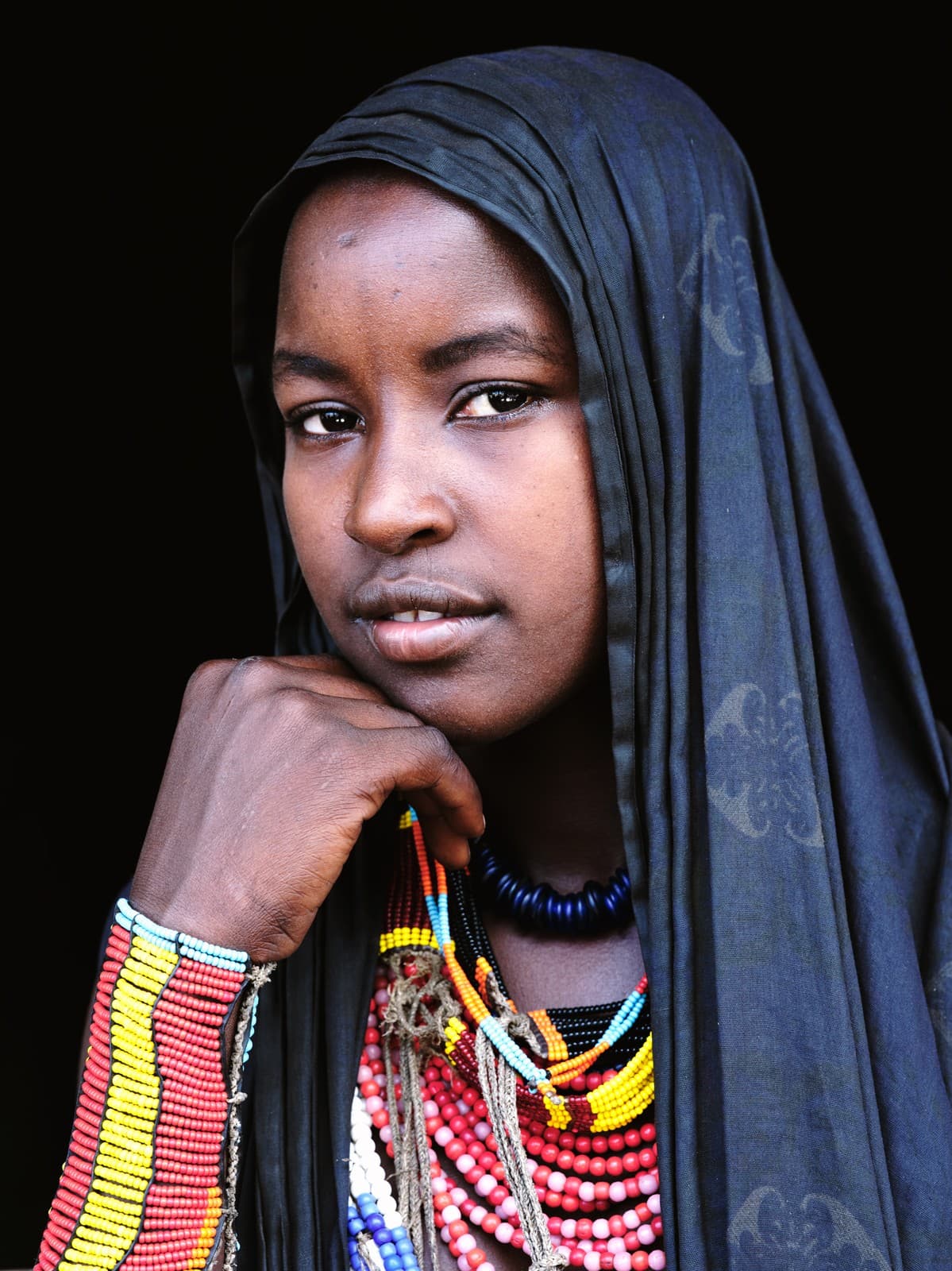
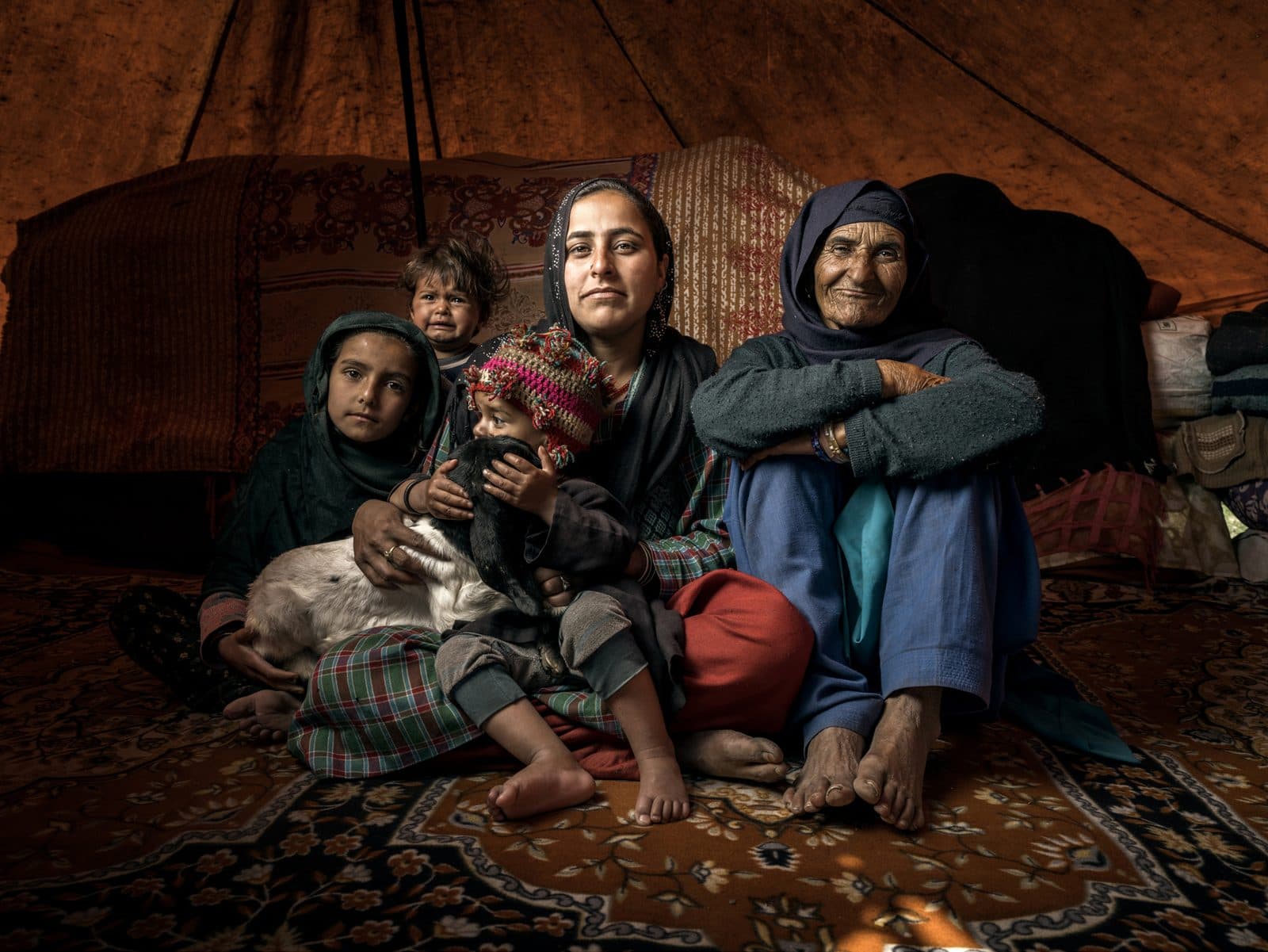
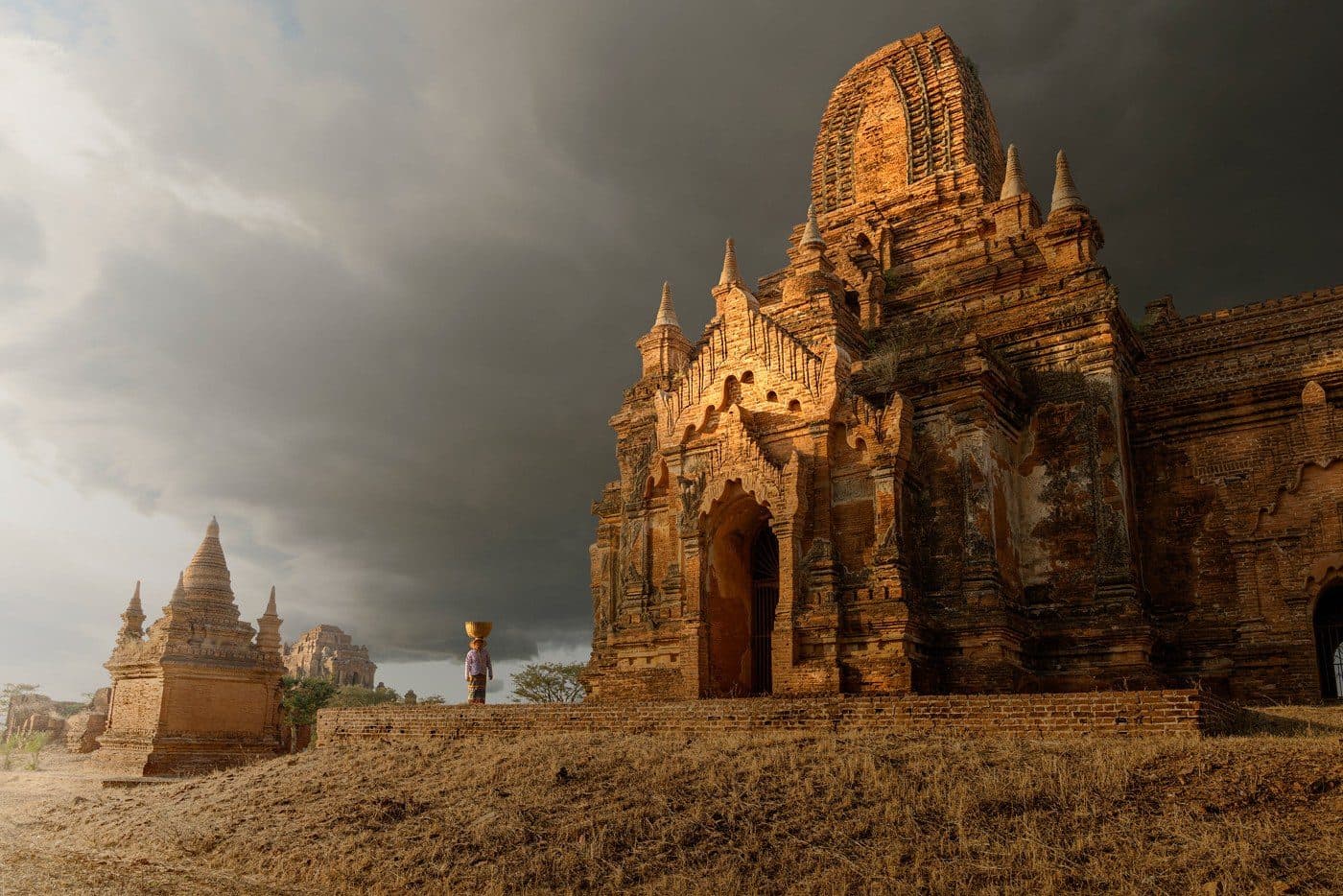
There are no photographs from Ghana yet. These are from earlier projects, made the way this one will be made: with time, informed consent, and nothing staged or directed. In Ghana the same approach will run alongside To Live In H.O.P.E.’s safeguarding, supervision and media-consent requirements.
Timeline
This page will change
- NowThe project and the reasons behind it. This page.
- February – March 2027Two weeks in Ghana. Occasional notes from the field when the connection allows, with nothing that identifies a community, a school or a person.
- After the returnThe finished work, shown here first.
Follow the project
Hear about it when there is something to see
I will write before leaving, from the field if I can, and when the work is ready.